
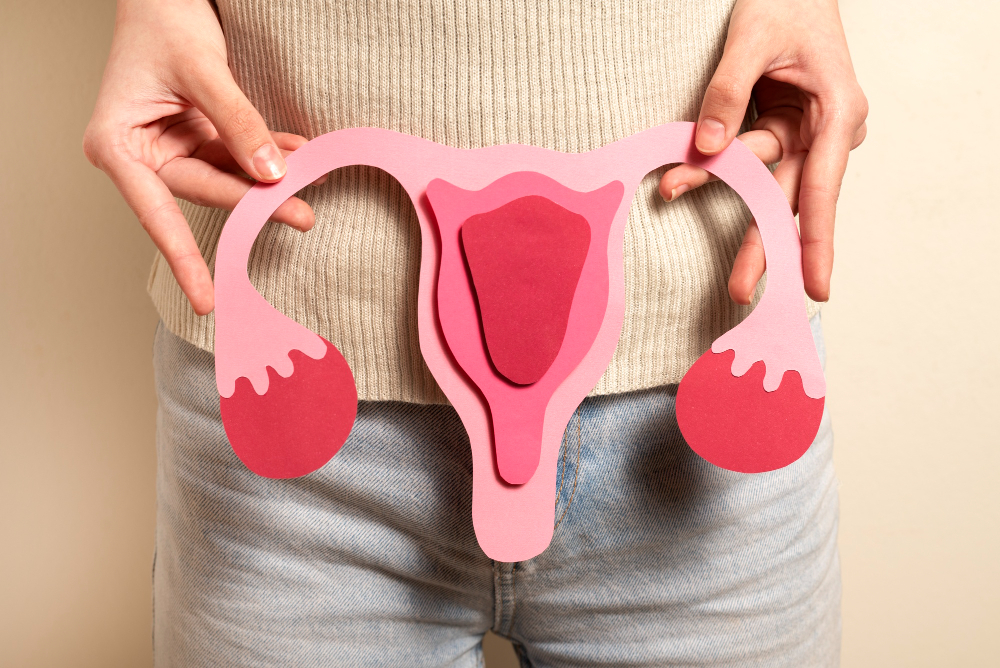
What is Pelvic Organ Prolapse?
Pelvic organ prolapse happens when the muscles and tissues in the pelvis become weak. As a result, organs like the bladder, uterus, or rectum may drop down into the vagina. This condition affects many women, especially after childbirth or menopause. Because pelvic organ prolapse can impact daily life, it is important to know the signs and seek help early. Women’s pelvic health is vital for overall well-being.
Common Symptoms
Many women notice changes in their bodies when pelvic organ prolapse occurs. However, symptoms can be mild or severe. Some women may not feel any discomfort at first. Still, it is helpful to watch for these signs:
If you notice these pelvic organ prolapse symptoms, you should talk to your doctor. Early care can make a big difference.
Causes and Risk Factors
Several things can lead to pelvic organ prolapse. For example, pregnancy and childbirth put extra strain on the pelvic muscles. Over time, these muscles may weaken. In addition, aging and menopause lower the body’s estrogen, which can also weaken tissues. Other risk factors include:
Because some risks can be managed, healthy habits may help prevent or delay prolapse.
Diagnosis and When to See a Doctor
If you have symptoms of pelvic organ prolapse, it is wise to see a doctor. Early diagnosis can help you find the best treatment. During your visit, your doctor will ask about your symptoms and medical history. Next, a gentle pelvic exam will check for any bulges or changes. Sometimes, extra tests like ultrasound or bladder studies may be needed. If you notice a bulge, pain, or trouble with urination or bowel movements, do not wait. Prompt care can prevent problems from getting worse.
Treatment Options
Treatment for pelvic organ prolapse depends on how severe your symptoms are. For mild cases, simple changes may help. However, more advanced cases may need medical or surgical care. Common treatments include:
Your doctor will help you choose the best option. Because every woman is different, treatment is personalized.
Lifestyle Tips and Prevention
Although not all cases can be prevented, healthy habits can lower your risk. For example, you can:
With these steps, you can support women’s pelvic health and reduce your risk of prolapse.
Frequently Asked Questions
Is pelvic organ prolapse common?
Yes, many women experience it, especially after childbirth or menopause. The risk increases with age.
Can pelvic organ prolapse go away on its own?
Mild cases may improve with exercises. However, more severe cases often need medical care.
Are pelvic floor exercises helpful?
Yes, these exercises can strengthen muscles and reduce symptoms. Many women see improvement with regular practice.
Is surgery always needed?
No, many women manage symptoms without surgery. Your doctor will suggest the best treatment for you.
Conclusion and Next Steps
Pelvic organ prolapse is a common women’s health issue. While it can be uncomfortable, many treatments are available. Early care and healthy habits can make a big difference. If you notice symptoms or have concerns, do not wait. Consult Dr.Piyush Shukla for personalized guidance on pelvic organ prolapse.