
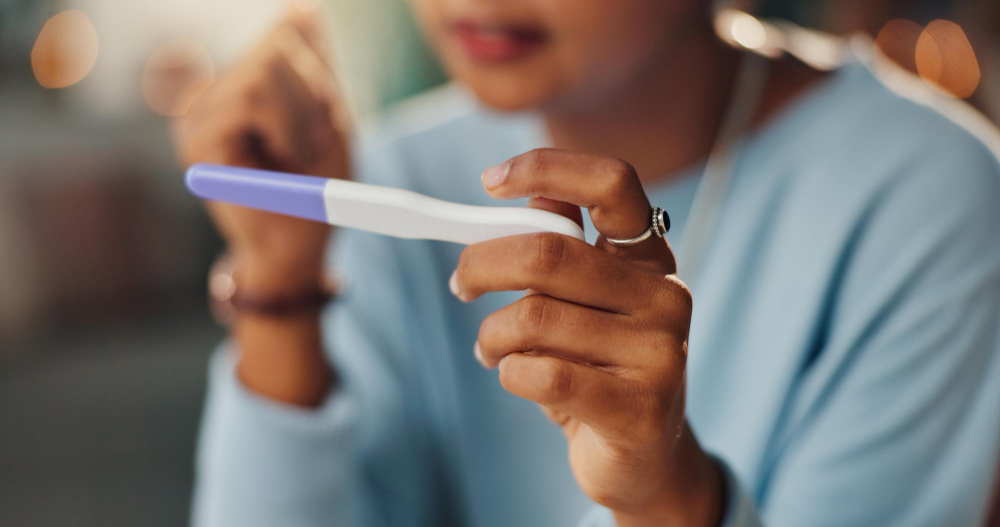
What is Female Fertility?
Female fertility means a woman’s ability to get pregnant and have a healthy baby. For many women, understanding female fertility is important when planning a family. In simple terms, fertility depends on the health of the ovaries, eggs, fallopian tubes, and uterus. If any part does not work well, it can make pregnancy harder. According to the World Health Organization (WHO), about 10% of women worldwide face fertility problems at some point in their lives.
Common Causes of Female Fertility Issues
Many factors can affect female fertility. Some causes are easy to treat, while others may need more help. For example, age plays a big role. As women get older, their fertility naturally decreases. However, other causes can also impact fertility, such as:
Recognizing Symptoms of Fertility Problems
Often, fertility problems do not cause clear symptoms. Still, some signs may suggest a problem. For instance, if you have trouble getting pregnant after a year of trying, it may be time to see a doctor. Other symptoms to watch for include:
However, some women have no symptoms at all. Therefore, regular check-ups are important.
Diagnosis: How Female Fertility is Evaluated
Doctors use several tests to check female fertility. First, they will ask about your health history and periods. Next, they may do a physical exam. Common tests include:
Because every woman is different, your doctor will choose the best tests for you.
Treatment Options for Female Fertility
There are many female fertility treatment options. The right choice depends on the cause of the problem. For some women, simple changes or medicines are enough. For others, more advanced treatments may help. Common options include:
Sometimes, a mix of treatments works best. According to the CDC, many women find success with these options.
Lifestyle Tips to Support Fertility
Although medical treatments help, healthy habits can also improve female fertility. For example, eating a balanced diet and staying active support overall health. Here are some tips:
Additionally, regular check-ups help catch problems early.
Prevention and When to Seek Help
While not all fertility issues can be prevented, some steps lower your risk. For instance, protect yourself from sexually transmitted infections (STIs) and avoid harmful substances. Also, see your doctor if you:
Early help can make a big difference. Therefore, do not wait if you have concerns.
In summary, female fertility depends on many factors. If you notice symptoms or have trouble getting pregnant, consult our fertility specialist for personalized advice and support.