
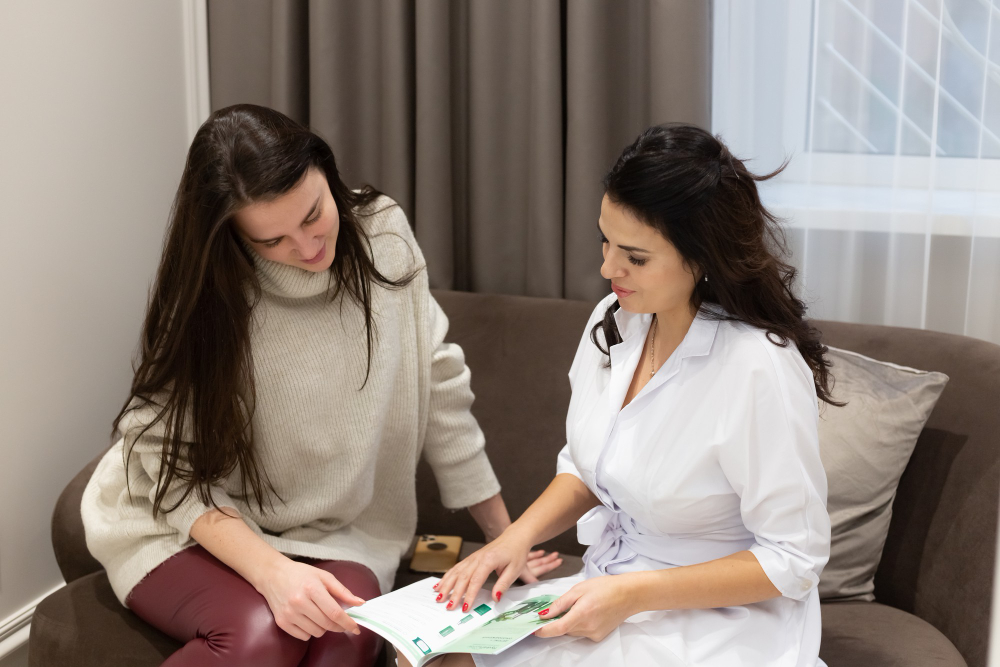
What Is Intimate Wellness After Pregnancy?
Many women notice changes in their bodies after childbirth. Intimate wellness after pregnancy means caring for the health of your private areas. This includes the vagina, bladder, and pelvic floor. For many, these changes are normal. However, some may need extra support to feel comfortable again. Postpartum intimate health is important for your overall well-being. In many cities, intimate wellness clinics offer help for new mothers.
Common Symptoms and Concerns
After giving birth, women may face several symptoms. These can affect daily life. For example, you may notice:
Sometimes, these symptoms go away on their own. But if they last, it is important to seek help. Many women feel shy about these topics. Still, talking to a doctor can make a big difference.
Causes and Contributing Factors
Several things can lead to changes in intimate wellness after pregnancy. For instance, hormonal shifts can cause dryness or discomfort. Childbirth can stretch or weaken pelvic muscles. Also, some women may have small tears or cuts from delivery. Breastfeeding can lower estrogen, which may cause dryness. In addition, stress and lack of sleep can affect recovery. Each woman’s experience is unique, but these factors are common.
Diagnosis and When to Seek Help
If symptoms last more than a few weeks, it is wise to talk to a healthcare provider. Early care can help prevent long-term problems. Doctors may ask about your symptoms and medical history. Sometimes, they will do a gentle exam. In some cases, you may be referred to a specialist in women’s health after childbirth. According to the CDC, regular check-ups after birth are important for both physical and mental health.
Available Treatments and Therapies
There are many treatments for postpartum wellness. Your doctor will help you choose what is best for you. Some common options include:
In some cities, intimate wellness clinics offer advanced therapies. For example, laser treatments or radiofrequency therapy may help some women. Always ask your doctor about safe and proven options. The World Health Organization recommends evidence-based care for postpartum women.
Lifestyle Tips for Recovery and Comfort
Simple steps can support your recovery at home. For instance, you can:
Moreover, avoid heavy lifting until your doctor says it is safe. If you have pain, use a warm compress or take a sitz bath. These tips can make daily life more comfortable.
Prevention and Long-Term Care
Taking care of your body before and after pregnancy can help prevent some problems. For example, regular exercise keeps your muscles strong. Attending all postpartum check-ups is also important. If you notice new symptoms, tell your doctor right away. Over time, many women see improvement. However, some may need ongoing support. In many regions, women’s health clinics offer long-term care for postpartum intimate health. Staying informed and seeking help when needed can support your well-being for years to come.
For advanced care and professional guidance, consult a specialist Dr. Piyush Shukla today.