
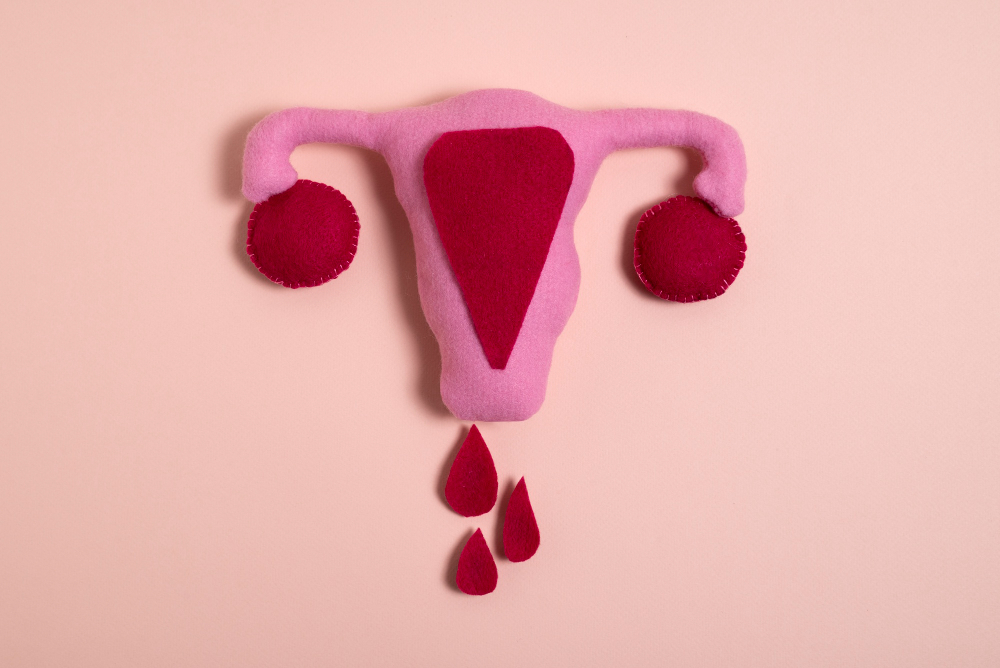
What is Abnormal Uterine Bleeding?
Abnormal uterine bleeding is any bleeding from the uterus that is not part of a regular period. Often, this means bleeding that is heavier, lighter, or lasts longer than usual. Sometimes, it can also mean bleeding between periods or after menopause. Because this condition can affect women of all ages, it is important to know what is normal for your body. According to the World Health Organization (WHO), abnormal uterine bleeding is a common reason women visit their doctor.
Common Symptoms
Many women notice changes in their menstrual cycle. However, some signs may point to abnormal uterine bleeding. For example, you might see:
Because these symptoms can be caused by many things, it is important to track your cycle. If you notice any of these signs, you should talk to your doctor.
Main Causes
There are many abnormal uterine bleeding causes. Sometimes, the reason is simple, like a change in hormones. Other times, it may be due to a health problem. Some common causes include:
Because the causes can vary, it is important to get the right diagnosis. The Centers for Disease Control and Prevention (CDC) notes that early treatment can help prevent complications.
How Abnormal Uterine Bleeding is Diagnosed
Doctors use several steps to diagnose abnormal uterine bleeding. First, they will ask about your medical history and menstrual cycle. Next, they may do a physical exam. Often, your doctor will suggest tests to find the cause. For example, you might need:
Because each woman is different, your doctor will choose tests based on your symptoms. If you wonder how to diagnose abnormal uterine bleeding, these are the most common steps.
Treatment Options
Treatment for abnormal uterine bleeding depends on the cause. Sometimes, simple changes or medicines can help. Other times, you may need a procedure. Common treatments include:
Because every woman is unique, your doctor will help you choose the best treatment for abnormal uterine bleeding. The right plan can help you feel better and prevent future problems.
Lifestyle Tips and Prevention
While you cannot always prevent abnormal uterine bleeding, some steps may help. For example, you can:
Because early action can make a difference, these tips may help you stay healthy. If you notice any changes, talk to your doctor right away.
When to See a Doctor
Sometimes, abnormal uterine bleeding can be a sign of a serious problem. Therefore, you should see a doctor if you:
Because early diagnosis can help, do not wait to seek help. Your doctor can find the cause and suggest the right treatment.
In summary, abnormal uterine bleeding can have many causes and symptoms. However, with the right care, most women can find relief. Consult Dr Surbhi Saini for personalized guidance on abnormal uterine bleeding.