
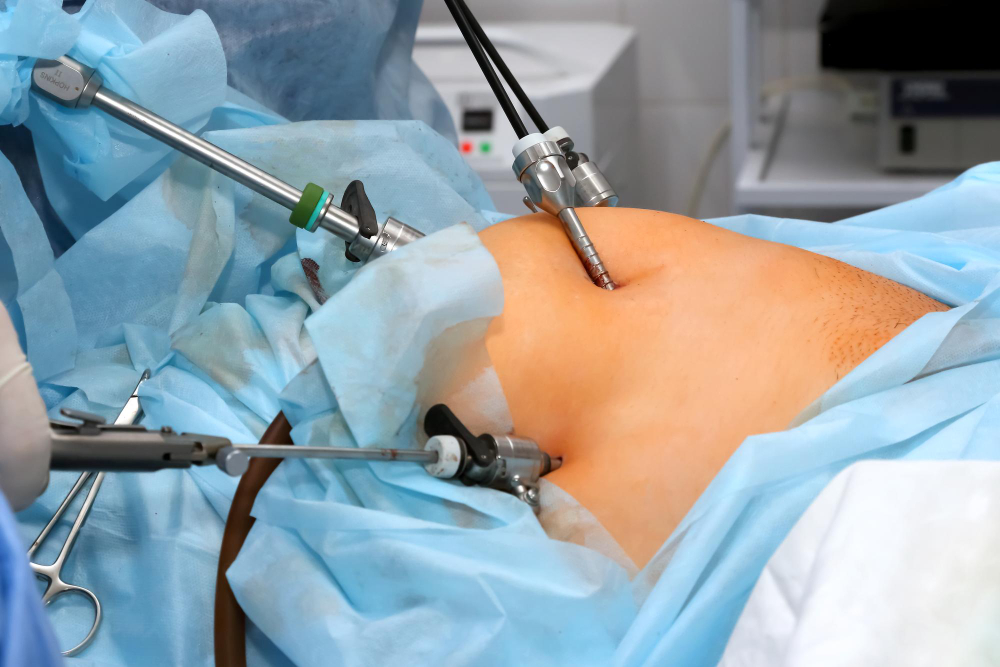
What Is Laparoscopic Hysterectomy?
Laparoscopic hysterectomy is a surgery to remove the uterus using small cuts and a camera. Doctors call this a minimally invasive hysterectomy. Instead of one large cut, several tiny cuts are made. Through these, special tools and a camera help the surgeon see and work inside the body. Because of this, recovery is often faster and less painful than with open surgery.
Indications and Reasons for the Procedure
Doctors may suggest a laparoscopic hysterectomy for several reasons. Often, it is used to treat:
Sometimes, other treatments do not work. In these cases, surgery may be the best option. Your doctor will explain if this procedure is right for you.
Step-by-Step Overview of the Surgical Process
Understanding the steps can help you feel more at ease. Here is what usually happens during a minimally invasive hysterectomy:
Most surgeries take two to three hours. However, this can vary based on your health and the reason for surgery.
Benefits Compared to Traditional Hysterectomy
Laparoscopic hysterectomy offers many advantages over open surgery. For example, you may notice:
Because the cuts are smaller, healing is usually quicker. According to the CDC, minimally invasive hysterectomy can reduce hospital time and improve recovery.
Possible Risks and Complications
Like all surgeries, laparoscopic hysterectomy has risks. However, most people recover well. Still, you should know about possible problems, such as:
While these issues are rare, it is important to discuss hysterectomy risks and benefits with your doctor. Early treatment of any problem helps prevent serious complications.
Recovery Timeline and Aftercare Tips
Recovery from laparoscopic hysterectomy is usually faster than with open surgery. Most people go home the same day or the next. Here is what you can expect:
To help with recovery, follow these tips:
For more details, the World Health Organization suggests following your surgeon’s advice closely during recovery.
Lifestyle Guidance and Prevention of Complications
After surgery, you can take steps to stay healthy. For example, you should:
Because every person heals differently, always follow your doctor’s advice. This helps prevent problems and supports a smooth recovery.
Conclusion
Laparoscopic hysterectomy is a safe and effective option for many women. It offers faster recovery and fewer risks than traditional surgery. However, every case is unique. Consult Dr Surbhi Saini for personalized advice about laparoscopic hysterectomy.