
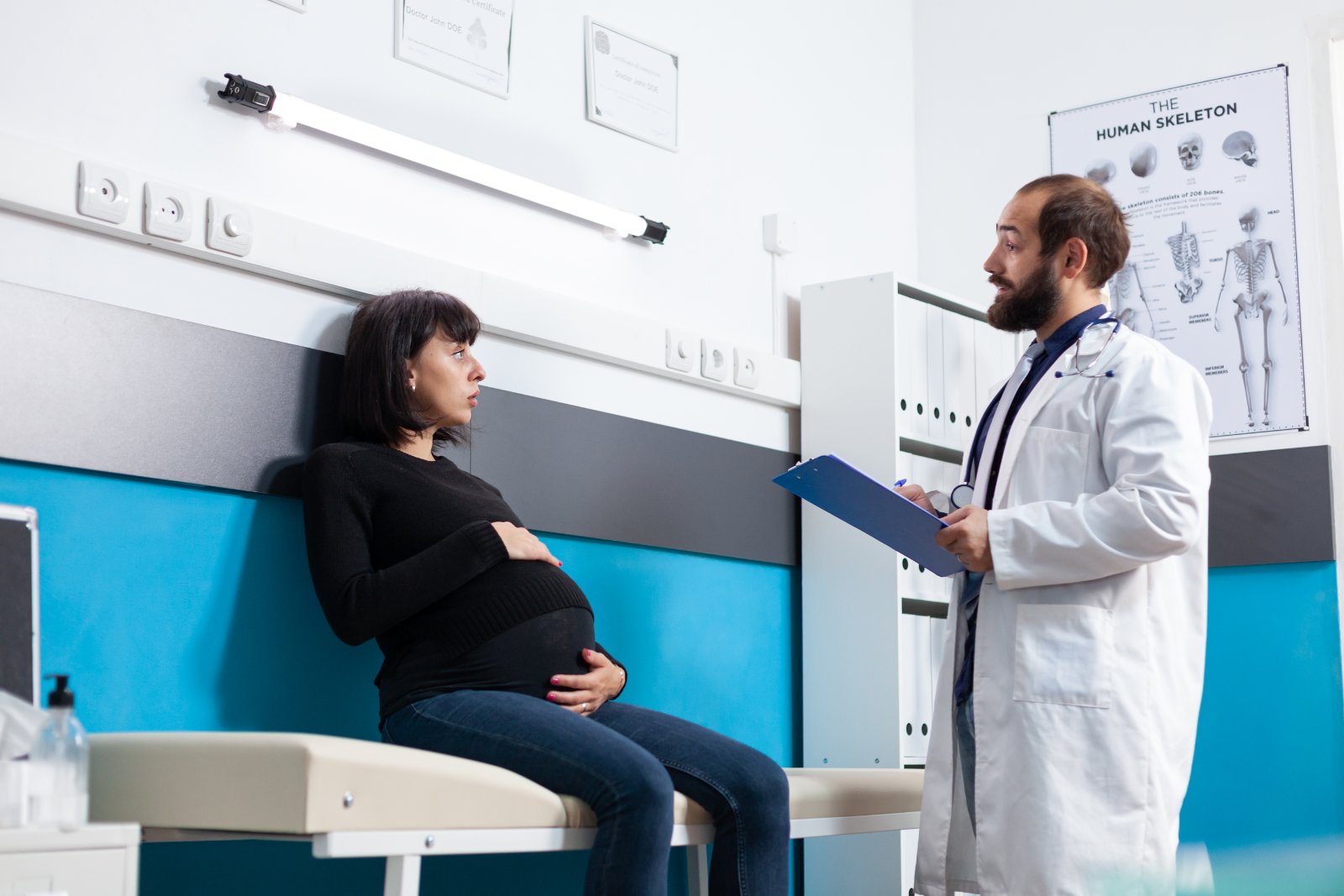
What Is a High Risk Pregnancy?
A high risk pregnancy means there is a greater chance of health problems for the mother, baby, or both. Sometimes, these risks are present before pregnancy. Other times, they develop during pregnancy. Because of this, extra care and monitoring are needed. High risk pregnancy can happen to anyone, but some women have a higher chance than others.
Common Symptoms and Warning Signs
It is important to know the signs of high risk pregnancy. Early action can help keep you and your baby safe. Watch for these symptoms:
If you notice any of these symptoms, call your doctor right away. Quick action can make a big difference.
Major Causes and Risk Factors
Many things can cause a high risk pregnancy. Some risk factors are present before pregnancy, while others develop later. Here are the most common causes:
In addition, some women develop new health problems during pregnancy. For example, preeclampsia (high blood pressure with swelling and protein in urine) can increase risks. According to the CDC, early care helps lower these risks.
How Is High Risk Pregnancy Diagnosed?
Doctors use several ways to check for high risk pregnancy. First, they ask about your health history. Next, they do a physical exam. They may also order tests, such as:
Because every woman is different, your doctor will choose the right tests for you. Regular checkups help spot problems early.
Treatment and Management Options
Managing a high risk pregnancy often means more doctor visits. Your care team may suggest:
Sometimes, you may need to see a specialist. For example, a maternal-fetal medicine doctor can help with complex cases. Early treatment can help prevent serious problems.
Lifestyle Tips and Self-Care Guidance
Even with high risk pregnancy, you can take steps to stay healthy. Here are some tips:
Because stress can affect your health, try to relax and ask for help when needed. Support from family and friends can make a big difference.
Prevention Strategies
While not all high risk pregnancies can be prevented, you can lower your risk. Consider these steps:
In many regions, access to good prenatal care can be limited. If you live in a rural area, try to find a clinic or hospital with skilled staff. Early care is key to a healthy pregnancy.
When to Seek Medical Help
Always call your doctor if you notice warning signs. For example, heavy bleeding, severe pain, or sudden swelling need quick attention. Early action can protect you and your baby.
Conclusion
High risk pregnancy needs special care and attention. However, with the right support, many women have healthy babies. Always follow your doctor’s advice and go to all checkups. If you have concerns, do not wait—consult a Dr. Piyush Shukla for personalized advice on high risk pregnancy.